
The One Number That Matters More Than the Grade
Most people start their refurbished phone research by learning what “Grade A” and “Grade B” mean. That’s not wrong, but it’s not where you should focus first. This refurbished phone buying guide starts somewhere different, because the cosmetic grade tells you almost nothing about how the phone will actually perform.
Battery health is the number that matters. A scuffed phone with strong battery health will feel better every single day than a mint-condition phone with a tired battery. Grade tells you what the phone looks like. Battery health tells you what living with it will actually feel like.
Quick Answer: Is a Refurbished Phone Worth Buying?
Yes, in most cases, as long as you buy from a seller who tests functionality, discloses battery health, and backs the phone with a real warranty. A properly refurbished phone has been tested component by component, had worn parts replaced where needed, wiped of the previous owner’s data, and graded for cosmetic condition. That’s different from a plain used listing on a marketplace, where nobody has verified any of that. If you’re deciding between refurbished and a full repair on your current phone, our Google Pixel battery replacement guide covers when repair makes more sense than replacement.
Refurbished vs. Used: What’s Actually the Difference?
These two terms get used interchangeably, and that’s a mistake worth avoiding.
A used phone, sold directly between individuals or through an unmoderated marketplace listing, comes with no guarantee that anyone has tested it. You’re relying entirely on the seller’s honesty about condition and function.
A refurbished phone, sold by a proper refurbisher or a manufacturer’s certified program, goes through functional testing across dozens of components, has any failed or worn parts replaced, gets fully wiped and reset, and receives a cosmetic grade based on visible wear. The label “refurbished” isn’t officially regulated, though, so the quality gap between refurbishers is real. Buying from a seller who explains their testing process, the way this refurbished phone buying guide does, matters more than the word “refurbished” printed on the listing.
Understanding Cosmetic Grades
Grading systems vary a little by seller, but they generally follow a similar pattern.
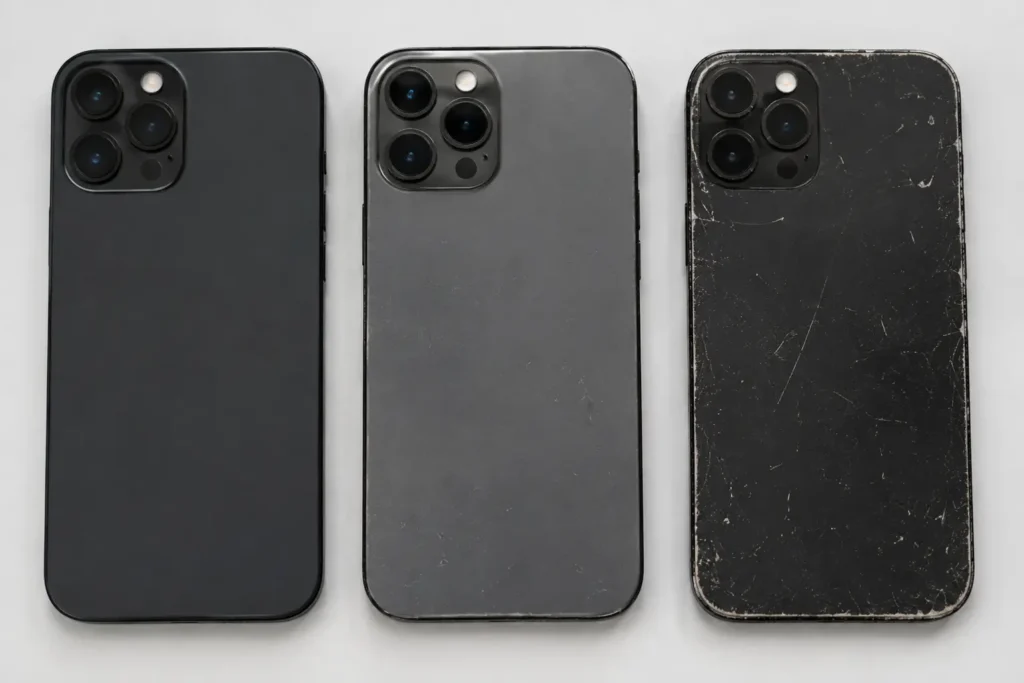
- Grade A (“Like New”) Little to no visible wear. Screen and body look close to new condition.
- Grade B (“Good”) Light scratches or minor wear visible on close inspection, but nothing that affects use.
- Grade C (“Fair”) Noticeable scratches, scuffs, or wear, though the phone functions normally.
Here’s the part most guides skip: every grade should have passed the same functional testing. A Grade C phone with strong battery health and a working screen operates exactly like a Grade A phone in daily use. It just looks more worn. If you plan to use a case and screen protector anyway, a Grade B or C phone often delivers the best value, since you’ll cover up the cosmetic wear regardless. Our best phone cases for protection guide can help you pick one that fits this plan.
The Refurbished Phone Buying Guide Checklist
Work through this list before you commit to any refurbished phone.
Check Battery Health First
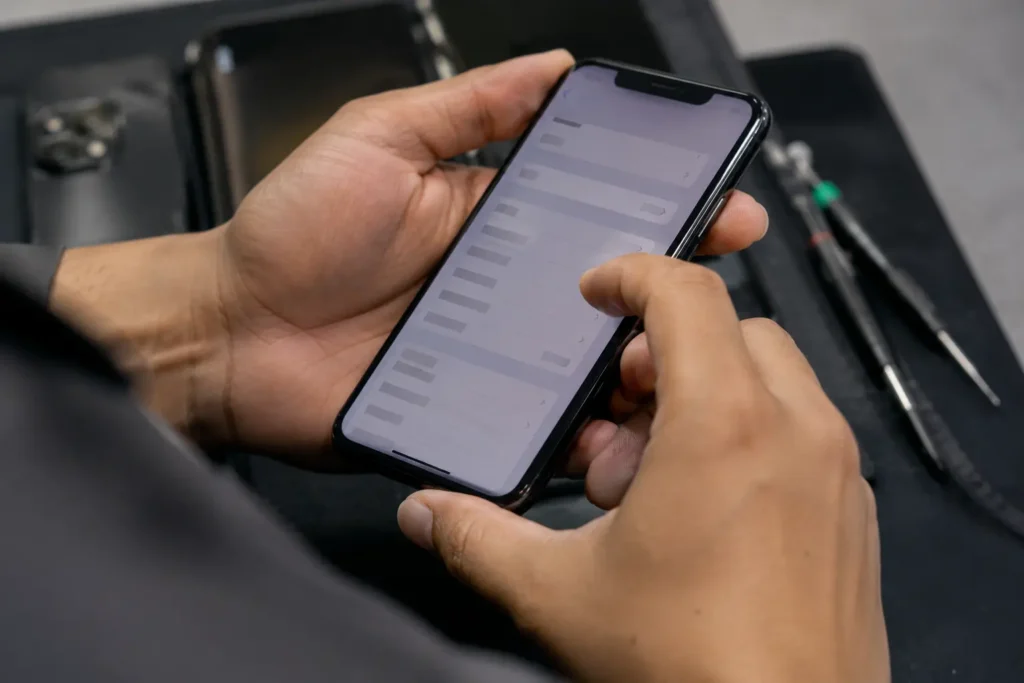
On iPhone, check under Settings, then Battery, then Battery Health & Charging. On Pixel and most Android phones, check under Settings, then Battery, then Battery Health, on supported models. Look for battery health at 80% or above. Ask the seller directly for this number if it isn’t listed, since it’s easy to bury in a listing and easy for buyers to forget to ask about.
Confirm the IMEI Is Clean
Every phone has a unique IMEI number, found under Settings or printed on the box. Run it through your carrier or a reputable IMEI-check service before buying, to confirm the device isn’t reported lost, stolen, or blacklisted. A blacklisted IMEI can leave you with a phone that won’t activate on any network.
Verify Carrier Lock Status
A locked phone only works with one specific carrier. An unlocked phone works with any compatible carrier, which matters if you plan to switch providers later or travel internationally. Ask the seller to confirm unlock status directly, and don’t assume “compatible with major carriers” means fully unlocked.
Check Remaining Software Support
Every phone has a limited window of security updates and software support left. A phone nearing the end of its support window will stop receiving security patches soon, even if the hardware still works fine. Search the manufacturer’s support page for your specific model to confirm how many years of updates remain before you buy.
Confirm Warranty and Return Policy
A real refurbished seller backs their phones with a warranty, typically 90 days to a full year, and a clear return window if the phone doesn’t perform as described. A listing with no warranty and no return policy is a signal to look elsewhere, regardless of how good the price looks.
What to Watch For: Google Pixel-Specific Considerations
Not every certified refurbished program handles batteries the same way. Some manufacturer-backed refurbished programs guarantee a replacement battery as part of the process. Others don’t, meaning a “certified refurbished” Pixel could still carry its original, worn battery. This makes checking battery health directly, rather than assuming certification guarantees it, especially important on refurbished Pixel devices.
Where to Buy a Refurbished Phone Safely
Not all refurbished sellers operate the same way, and where you buy matters almost as much as what you check before buying.
Manufacturer-certified programs, run directly by Apple or Google, generally offer the most consistent testing standards and the clearest warranty terms. These programs test the widest range of components and typically publish exactly what gets replaced during refurbishment. The trade-off is usually a smaller selection of available models and, occasionally, a higher price than third-party refurbishers.
Established third-party refurbishers with a public testing process, published grading criteria, and clear return policies can offer excellent value, often at a lower price than manufacturer programs. The key word is established. A refurbisher that explains its process, states its battery health minimum, and stands behind a real warranty is worth considering. One that doesn’t publish any of this is a bigger gamble, regardless of how professional the listing photos look.
Marketplace listings, whether from an individual seller or an unmoderated platform, carry the most risk. There’s typically no functional testing, no grading standard, and no warranty behind the sale. This doesn’t mean every marketplace listing is a bad phone, but it does mean you’re doing all the verification work yourself, using the checklist in this refurbished phone buying guide, with no safety net if something turns out to be wrong.
If you’re buying locally rather than online, ask to test the phone in person before paying. Make a call, check the cameras, confirm the battery health reading, and inspect the charging port. A seller willing to let you check these things in person, before any money changes hands, is a good sign in itself.
How Long Should You Expect a Refurbished Phone to Last?
This depends heavily on the two factors already covered above: battery health at the time of purchase, and remaining software support for that specific model.
A refurbished phone bought with 85% or higher battery health and at least two to three years of remaining software updates should perform reliably for that entire window, assuming normal use and reasonable care. A phone bought with an 81% battery and only a year of software support left offers a much shorter runway, even if the price looks similar to a better-positioned option.
This is also where a good case matters more than people expect. A refurbished phone represents real savings, and protecting that investment from day one, rather than after the first drop, keeps the value of the purchase intact for longer.
Common Mistakes to Avoid while buying refurbished phone
- Trusting the grade over the battery health number. A pristine-looking phone with a worn battery will disappoint you within months.
- Skipping the IMEI check. This single step prevents the worst-case refurbished phone outcome: a device that won’t activate at all.
- Assuming “certified” always means a new battery. Ask directly, since this varies by manufacturer and program.
- Buying with no warranty. A missing warranty usually means a missing safety net if something goes wrong in the first few weeks.
- Ignoring remaining software support. A great deal today isn’t a great deal if the phone stops receiving security updates within a year.
Expert Tip
Expert Tip: Ask the seller for the battery health percentage and the IMEI before you commit to anything, even if the listing doesn’t show them upfront. A seller who hesitates to share either number is telling you something important about the phone, even if they don’t say it directly.
Frequently Asked Questions about refurbished phone
Yes, when you buy from a seller who tests functionality, discloses battery health, and backs the phone with a real warranty. Unverified marketplace listings carry more risk than certified refurbished sellers.
Grades describe cosmetic condition only, not function. Grade A looks nearly new, Grade B shows light wear, and Grade C shows more noticeable wear, but all three should have passed the same functional testing.
On iPhone, check Settings, then Battery, then Battery Health & Charging. On Pixel and many Android phones, check Settings, then Battery, then Battery Health, on supported models.
A refurbished phone has been tested, repaired where needed, and graded by a seller. A used phone, sold directly between individuals, typically hasn’t been verified at all.
Reputable sellers typically include a warranty, often ranging from 90 days to a full year. Always confirm this before buying, since it varies by seller.
Find the IMEI under Settings or on the box, then run it through your carrier or a reputable IMEI-check service to confirm it isn’t reported lost, stolen, or blacklisted.
Not always. Some certified refurbished programs replace the battery automatically, others don’t, so it’s worth checking battery health directly rather than assuming.
Aim for 80% or higher. Below that, you’ll likely notice shorter daily battery life sooner than you’d like.
Conclusion: Buying Refurbished With Confidence
A good refurbished phone can save you real money without sacrificing reliability, but only if you know what to check before you buy. This refurbished phone buying guide comes down to a short list: battery health first, a clean IMEI, confirmed carrier and warranty status, and enough software support left to justify the purchase. Get those right, and the grade printed on the box matters a lot less than most listings make it seem.
If you already own a phone that’s showing its age, whether that’s a worn battery, a cracked screen, or something else, Phone Expert Phone Repair & Designs can often fix it for far less than buying new or refurbished. Contact us or stop by for a diagnostic check to see what your options really are.